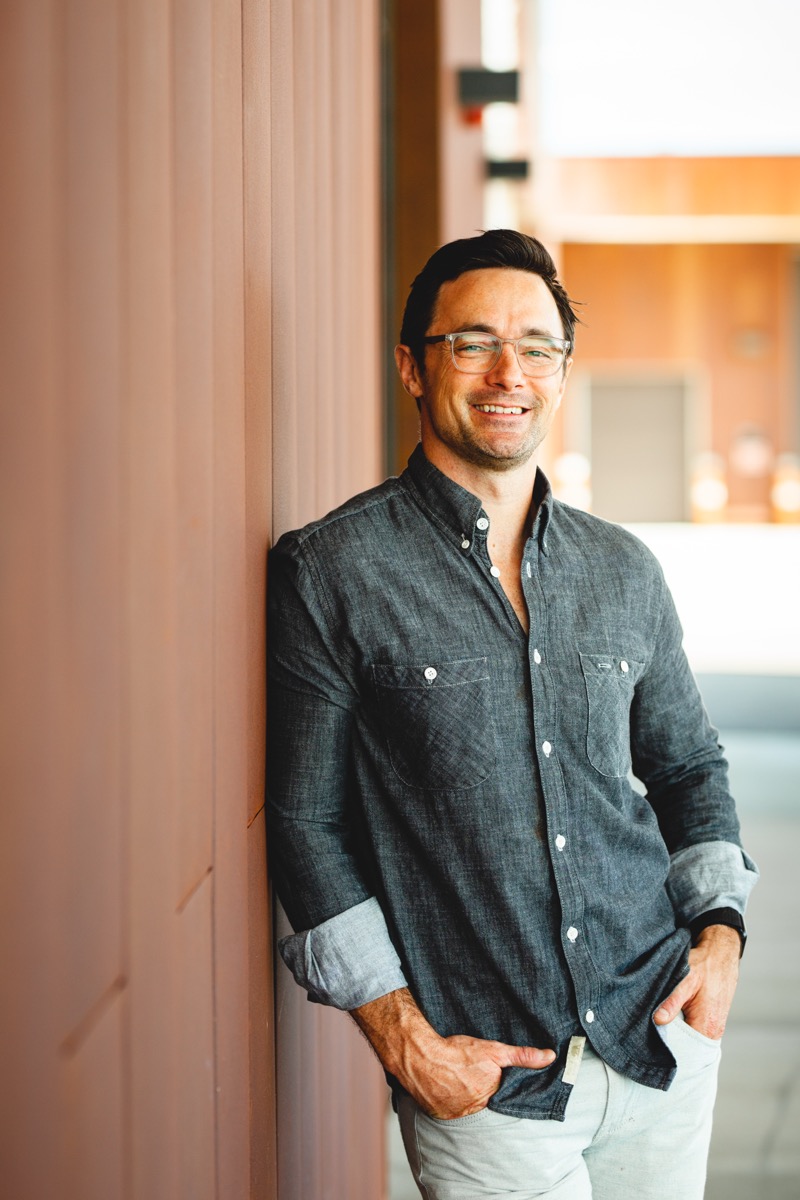
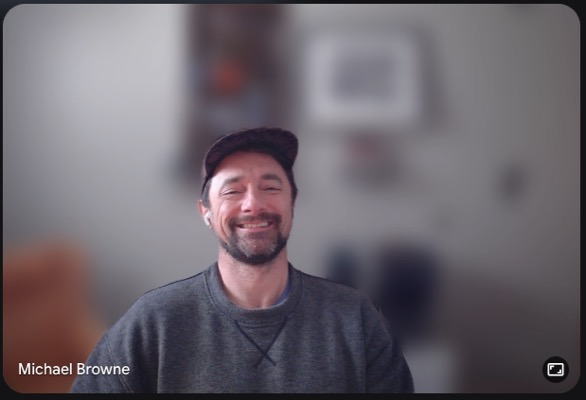
Zack Grice reached out because he'd been following my LinkedIn posts and wanted to compare notes. Not about business strategy. Not about AI. Just — how's life going since you jumped?
We'd known each other from the outdoor media world. He'd spent close to two decades at Rodale — Bicycling, Runner's World, the brands that mattered — and then five years at Outside. I'd come through Dirt Rag, Trek, Specialized, Ride with GPS. Different seats on the same bus. Both of us eventually got off.
This wasn't a strategy call. It was two guys on a Tuesday morning checking in on whether the bet they'd each made — leaving the machine, going independent — was actually paying off.
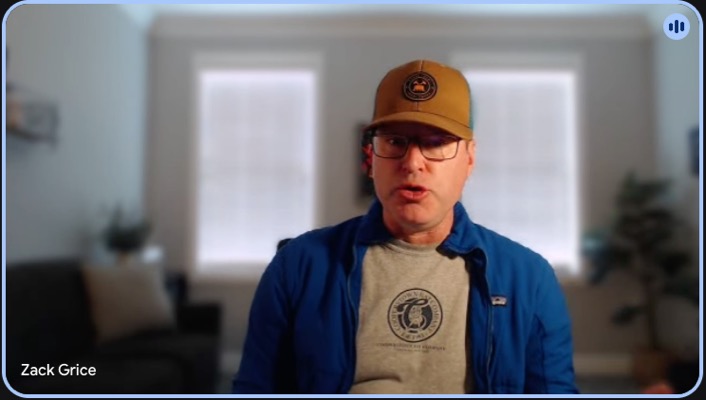
"Being able to choose the work I'm doing and the people I'm doing it with and for"
When I asked Zack what drew him to independence, he didn't give me a manifesto. He gave me one sentence.
He wanted to choose the work and the people.
That's it. No elaborate thesis about the future of media. No five-year plan. Just the ability to say yes to what matters and no to what doesn't.
I feel that in my bones. After years of navigating the politics of corporate media — multiple rounds of interviews that go nowhere, watching roles get consolidated and salaries get halved, getting ghosted after investing weeks in a process — you reach a point where the security isn't actually secure anymore. The stability is an illusion maintained by people who can reorganize you out of existence on a Thursday.
Zack also said something I don't hear enough people admit: "I still need to generate income and contribute to my family's financial well-being." That's the part the LinkedIn independence crowd glosses over. Going solo isn't a graduation. It's a trade. You swap one set of problems for another, and the new set happens to be problems you chose.
What you don't miss
We both agreed on this instantly. The internal meetings.
Zack called it "mindless, repetitive bureaucracy and status checks and updates." The ketchup calls. The standing syncs. The meetings about meetings. When you're independent, those just disappear. Your calendar opens up. The space fills with actual work.
I don't miss it either. Not one minute of it.
What I do sometimes miss is the runway. The ability to say "we're going to invest in this for six months and see what happens." When you're solo, every pitch needs a shorter landing strip. Things show up fast and you either catch them or they're gone. There's no Q3 planning cycle to absorb the risk.
Twenty years of watching waves I didn't ride
The conversation stirred something I've been sitting with.
2003. I'm at Dirt Rag in Pittsburgh. Someone shows me podcasting. I try it for six weeks and walk away. Podcasting becomes a billion-dollar industry.
2007. The iPhone launches. I see the App Store opportunity immediately. I don't know how to code. I stay the course. The app economy takes off without me.
Bitcoin. YouTube. Same pattern every time. I could see the wave forming. I'd talk myself out of paddling.
Then Bijou Thomas — he built Ice Dot, the crash detection sensor that Specialized eventually put in their helmets — tells me something that sticks for a decade. "In this tech world, it's not about the development. There are plenty of those people. What they need are business ideas. If you've got ideas, go make it happen."
I didn't. Not then.
What changed with AI wasn't the technology. It was the barrier. For the first time, the gap between idea and working product shrank to almost nothing. I could build a tourism app in a weekend. Not because I learned to code — because the tools finally met me where I was.
Zack took a different path to independence — staying closer to what he knows, building partnerships with media and event properties in the outdoor space. Same instinct, different expression. We both looked at the machine we'd been part of and said: I can do this better on my own terms.
The part nobody posts about
I told Zack about a new MindStudio I recently finalized — a comic generator that pulls absurd headlines and creates New Yorker-style illustrations. The day's absurd headline was about the US Navy decommissioning minesweepers last year. An admiral standing there saying "Don't worry. The mines know we're on the honor system now."
He loved it. And I think what he connected with wasn't the technology — it was the fact that I'd built something weird and personal and mine. Not for a client. Not for a deck. Just because I could and it was fun.
That's the thing about going solo that nobody tells you. Some days you're scrambling because a pitch showed up without a runway. Other days your truck blows a head gasket and your kid gets sick and LinkedIn goes on pause because life doesn't care about your content calendar. And then some days you build a comic generator at midnight and show it to a friend on a Tuesday and it works.
My kids ask me who my boss is. I tell them: "It's complicated. Everybody could be my boss. And anybody could be an employee." They don't totally get it. I'm not sure I do either.
Zack knows the same thing. That's why he left. Not because the work was bad. Because he wanted to choose who he does it with and for.
The outdoor media industry taught both of us how to build communities, tell stories, and sell things people care about. It also taught us that the companies holding those brands don't always care about the same things the people inside them do.
Going independent isn't an escape. It's a bet. You're betting that the skills you built inside the machine are worth more when you apply them on your own terms, for people you actually want to serve.
Some weeks that bet pays off. Some weeks the truck breaks and the chicken dies and the LinkedIn streak ends. But you picked those problems. And that turns out to matter more than I expected.